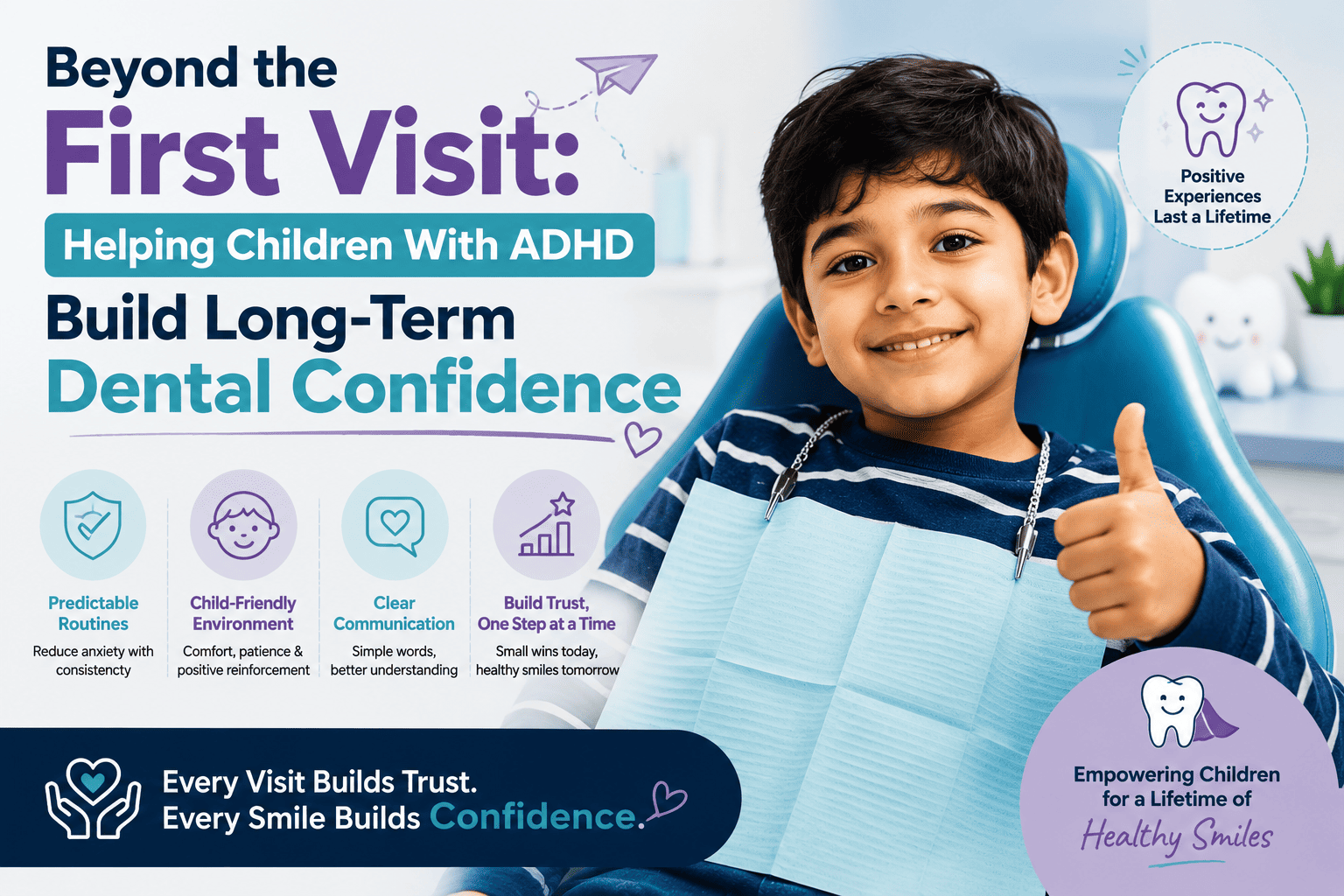
Beyond the First Visit: Helping Children With ADHD Build Long- Term Dental Confidence
Taking care of gum problems in kids is essential for maintaining strong, healthy smiles as they grow. This article guides you through recognizing common gum issues, understanding their causes, and exploring effective treatments. You will also find practical prevention tips to protect your child’s oral health from an early age.
Why focus on children’s gum health?
Detecting gum problems early allows for timely intervention that can reverse damage and prevent progression. Regular checkups at trusted clinics like PolyMedica Dental and Medical Centre, under the expert care of Dr Swati Pandey, play a key role in safeguarding your child’s oral health. Being informed empowers you to spot warning signs and seek professional advice promptly.
This article equips you with knowledge to ensure your child enjoys lasting oral wellness through attentive care and expert support.
Gum problems in children primarily fall under the umbrella of common gum diseases that affect the soft tissues surrounding the teeth. These issues range from mild inflammation to more severe infections that can threaten tooth stability and oral health.
Types of Gum Problems Prevalent in Children
The most common gum problems in children include:
Gingivitis in Children: Symptoms and Signs
Gingivitis manifests as inflammation confined to the gums without affecting the deeper tooth-supporting structures. You can recognize it by:
This condition occurs when plaque—a sticky film of bacteria—builds up on teeth and irritates the gums. Children may not notice discomfort at first, so parental observation during oral care is crucial.
Progression to Periodontitis in Kids
Ignoring gingivitis allows bacteria to multiply and invade beneath the gum line, triggering periodontitis. This advanced stage affects:
Consequences include:
Periodontitis is less common than gingivitis but poses significant risks if untreated. Early intervention prevents this escalation through professional dental care coupled with improved home hygiene.
Recognizing these stages helps you understand why monitoring your child’s gum health closely can prevent serious damage and preserve their smile for years to come.
Understanding the causes of gum disease kids face helps in taking effective preventive steps. Several factors contribute to poor pediatric gum health, increasing the risk of developing gum problems.
Poor oral hygiene habits remain the primary cause. When children do not brush and floss regularly, plaque—a sticky film of bacteria—accumulates along the gumline. This buildup irritates gums, leading to inflammation and infection.
Sugary and starchy snacks play a significant role in promoting plaque formation. Foods high in sugar or starch feed harmful bacteria in the mouth, accelerating plaque growth. Frequent snacking, especially without proper cleaning afterward, increases the risk of gum irritation and disease.
Hormonal changes during puberty can make gums more sensitive and reactive to plaque. Increased hormone levels affect blood flow to gum tissues, causing them to swell and bleed more easily—even with good oral hygiene.
Other lesser-known risk factors include genetics, certain medications, and orthodontic appliances that complicate cleaning efforts. Awareness of these risk factors pediatric gum health helps parents and caregivers focus on targeted habits to protect children’s gums effectively before problems worsen.
Detecting gum problems in kids at an early stage is crucial to prevent progression and complications. Parents should be vigilant about the signs of gum disease kids may exhibit. Paying close attention to these symptoms can lead to prompt dental consultation and effective management.
Common early indicators include:
Parents often find it challenging to identify subtle signs. Observing your child’s oral hygiene routine can help you detect unusual bleeding or discomfort. Children might also avoid brushing due to sensitivity; this behavior can hint at underlying gum problems.
Recognizing these early symptoms allows for timely intervention before gingivitis worsens into periodontitis, which affects deeper tissues supporting teeth. Being aware and proactive ensures your child’s gum health remains strong and prevents future dental complications related to untreated gum disease.
Treating gum problems in children requires an approach tailored to the severity of the condition. For treating gingivitis children effectively, the primary focus is on reinforcing good oral hygiene habits:
When gingivitis is caught early, these steps usually reverse inflammation and restore healthy gums without further intervention.
In cases where gum disease progresses beyond gingivitis, pediatric periodontitis treatment options become necessary. These include:
Parents should understand that early treatment minimizes discomfort and protects developing teeth. Pediatric dentists tailor treatments considering a child’s age, cooperation level, and specific oral health needs. Maintaining follow-up appointments ensures healing is progressing well and prevents recurrence.
Prompt attention to symptoms combined with professional care forms the foundation for successful management of gum problems in kids.
Healthy gums start with consistent oral hygiene routines established early in childhood. Teaching kids how to brush properly twice a day for at least two minutes, using fluoride toothpaste, lays a strong foundation against gum disease. Flossing daily should also be encouraged once children have the dexterity to handle floss safely, usually around age 6 to 8.
A balanced diet plays a crucial role in preventing gum problems. Limiting sugary and starchy snacks reduces the buildup of plaque that feeds harmful bacteria on gums. Instead, offer fresh fruits, vegetables, and whole grains which support oral health by providing essential vitamins and minerals.
Regular dental checkups are indispensable. Visiting a trusted clinic such as PolyMedica Dental and Medical Centre at least twice yearly allows early detection of any gum issues before they worsen. Professional cleanings help remove plaque and tartar that cannot be eliminated by brushing alone.
Parents seeking preventing gum disease kids tips will find expert advice and comprehensive preventive care at the best kids dental clinic Gurgaon prevention advice can guide families on nutrition, brushing techniques, and habit formation tailored to children’s needs.
Key prevention strategies include:
These steps create an environment hostile to plaque accumulation, supporting lifelong gum health for your child.
Selecting the best kids dentist in Gurgaon is crucial when addressing gum problems in kids. Specialized pediatric dental care in Gurgaon focuses on children’s unique dental needs, ensuring gentle and effective treatment.
Benefits of consulting experienced pediatric dentists like Dr Swati Pandey include:
The Best Kids Dental Clinic in Gurgaon provides comprehensive care beyond routine checkups. This includes:
Choosing a trusted clinic like PolyMedica Dental and Medical Centre means your child benefits from a holistic approach. This ensures that gum problems in kids are addressed promptly with expertise, compassion, and the latest dental practices.
Managing gum problems in children highlights the critical role of early detection and consistent care in preventing serious dental issues. You can safeguard your child’s smile by:
The importance of early dental care for kids cannot be overstated. Trustworthy, expert care at PolyMedica Dental and Medical Centre, led by Dr Swati Pandey, offers comprehensive support tailored to your child’s unique needs. This ensures that gum problems in kids are addressed promptly, promoting lasting oral health for children in Gurgaon.

WhatsApp us